
Top 3 Things to Consider for Supportive Housing Furniture
A chair is never just a chair in healing spaces
Supportive housing can be life-changing for people who need it. When individuals are facing complex challenges, ranging from chronic homelessness to disabilities to mental health issues, affordable housing and support services are the lifeline tying them back to a more fulfilling, thriving life.
For supportive housing to be as helpful as possible, it must provide a warm, welcoming, and safe environment. Furniture that aids in this endeavor can help meet functional requirements for residents and enhance their quality of life, providing them with the comfortable respite they need and deserve.
That being said, selecting the right furniture requires some thought. Furniture for supportive housing needs to balance residential comfort with institutional functionality to shine in this specific context.
What’s the role of furniture in supportive housing?
A chair is never just a chair! Furniture, in the way it’s built, looks, and feels, has a significant psychological and practical impact on the daily lives of residents.
For example:
-Comfortable, good-looking furniture can make a resident feel valued and respected.
-Sturdy, durable furniture fosters a sense of stability.
-Well-designed furniture can make daily life a lot easier and safer, supporting the dignity and independence of residents.
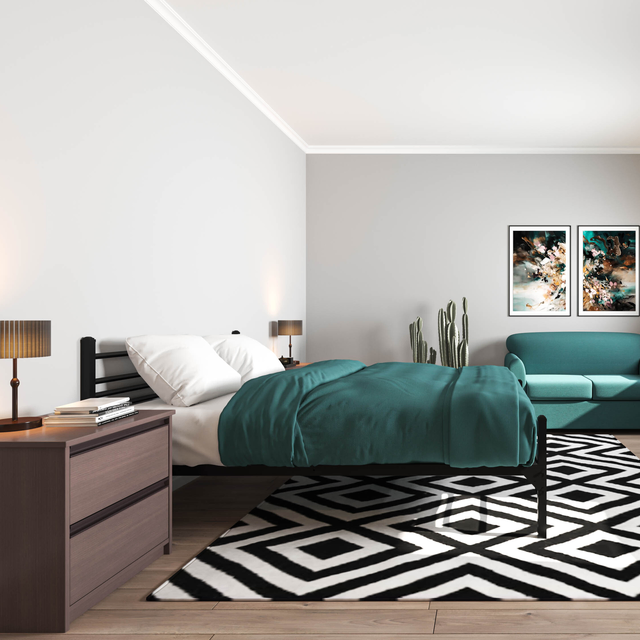
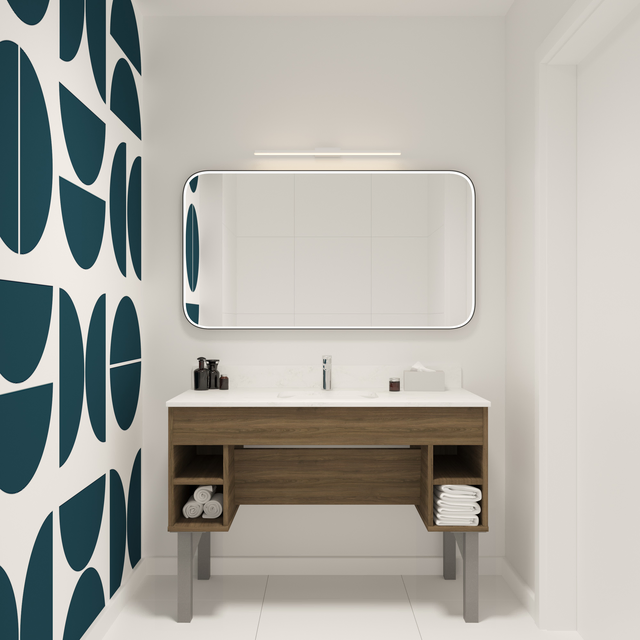
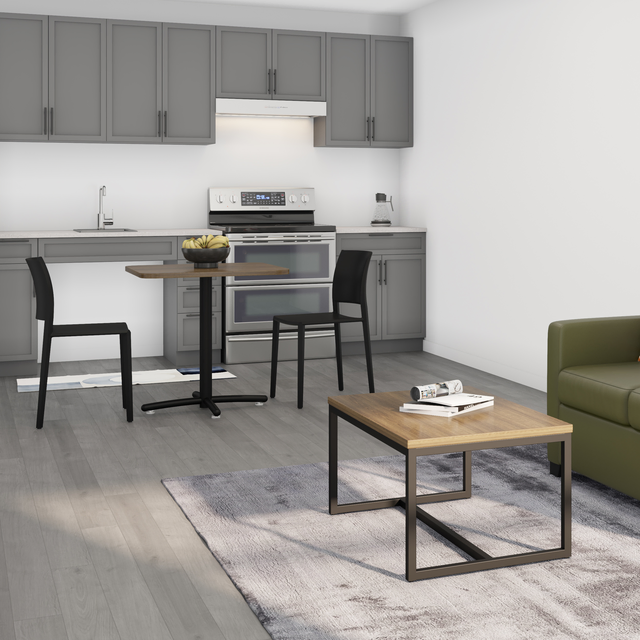
Key considerations for choosing supportive housing furniture
Wondering how to select supportive housing furniture that does precisely what you need—whether you work in government, healthcare, or the nonprofit sector?
We’ve boiled down your list of things to consider to three critical factors.
1. Durability: Essential for long-term use
High-durability furniture is critical in supportive housing settings due to potentially high usage (and the need for furnishings to remain nice over time). In addition, frequent use can quickly wear down low-quality furniture, leading to frequent replacements and increased maintenance costs.
Selecting heavy-duty furniture that can withstand frequent use ensures longevity and is simply better value for money spent.
2. Ease of cleaning: A must for health and hygiene
Easy-to-clean, simple-to-maintain furniture is critical in communal living environments to prevent the spread of illnesses. To find furnishings that will be beneficial in this area, opt for materials and finishes that promote hygiene and are resistant to stains and damage. Vinyl, treated fabrics, and laminated surfaces are excellent choices.
3. Welcoming design: Creating a homelike environment
When people seek supportive housing, they seek shelter and a place to rest.
They’re also seeking a place where they can feel safe and comfortable. For supportive housing to be truly supportive, it needs to boost the well-being and comfort of its residents all while all while adhering to trauma-informed design principles.
Comfort That Supports Every Body
Ergonomic designs that support good posture and physical comfort help residents with mobility issues or chronic pain.
Spaces That Feel Safe and Welcoming
Comfortable structures and finishes, like cushioned seating and soft, inviting finishes, help people feel at ease.
Colors That Calm and Reassure
Warm, calming colors, like soft blues, greens, and earth tones, can help create a serene, inviting atmosphere.
Textures That Add Warmth and Familiarity
Varied textures add depth and comfort. (A range of soft fabrics, wood finishes, and cushioned surfaces can contribute to a homelike feel.)
Designed With Safety in Mind
Safety features, such as rounded edges, stable structures, and non-slip surfaces, prevent accidents and ensure a safe environment.
Spaces That Adapt to Changing Needs
Adaptability, or pieces that can be easily rearranged or adapted for different needs, provides flexibility for changing resident requirements.
Inclusive by Design
Accessibility ensures that the furnishings you acquire create supportive housing environments accommodating to people with various disabilities.
Selecting the right suppliers for supportive housing furniture
That list can seem like quite a tall order. Fortunately, by working with the right furniture supplier, you won’t have to do the heavy lifting. Instead, you can partner with your trusted furniture supplier to pick pieces that will help you reach your goals.
Recommended criteria for choosing B2B furniture suppliers
If you’re vetting prospective furniture suppliers, keep an eye out for:
1. A proven track record in providing furniture for institutional settings.
2. Suppliers that prioritize sustainable practices, including the use of eco-friendly materials and processes.
3. A history of providing long-lasting, high-quality furniture that withstands frequent use.
4. Furniture that meets the practical needs of supportive housing environments.
5. Suppliers with certifications such as GREENGUARD, Forest Stewardship Council (FSC), or Business and Institutional Furniture Manufacturers Association (BIFMA).
6. Compliance with recognized standards for environmental and social responsibility in their manufacturing processes.
When you first establish a relationship with a high-quality furniture distributor, ask questions about these criteria. It’s best to ensure you’re on the same page with your future supplier immediately—that’ll help you find the best possible furniture for your supportive housing much more easily.
Looking for a partner who understands supportive residences?
Working with an experienced B2B furniture partner who understands the unique realities of supportive living makes all the difference. At Foliot Furniture, we design solutions that support comfort, dignity, and long-term well-being.